From exit
to emptiness.
How one founder traded a billion-dollar valuation for a bamboo pavilion above the clouds — and decided to build twenty-six more.
In 2004, at twenty-nine, he signed the papers that made him wealthy beyond any useful measure. The company he had built in a Palo Alto garage — a data-analytics platform he no longer understood — was absorbed into a larger machine. He walked out of the conference room, drove to Half Moon Bay, and stared at the Pacific until his phone died.
For a decade he had slept four hours a night, eaten meals standing up, and measured his worth in burn rates and term sheets. Now the numbers meant nothing. He booked a one-way ticket to Kyoto with no itinerary, no assistant, and no return date.
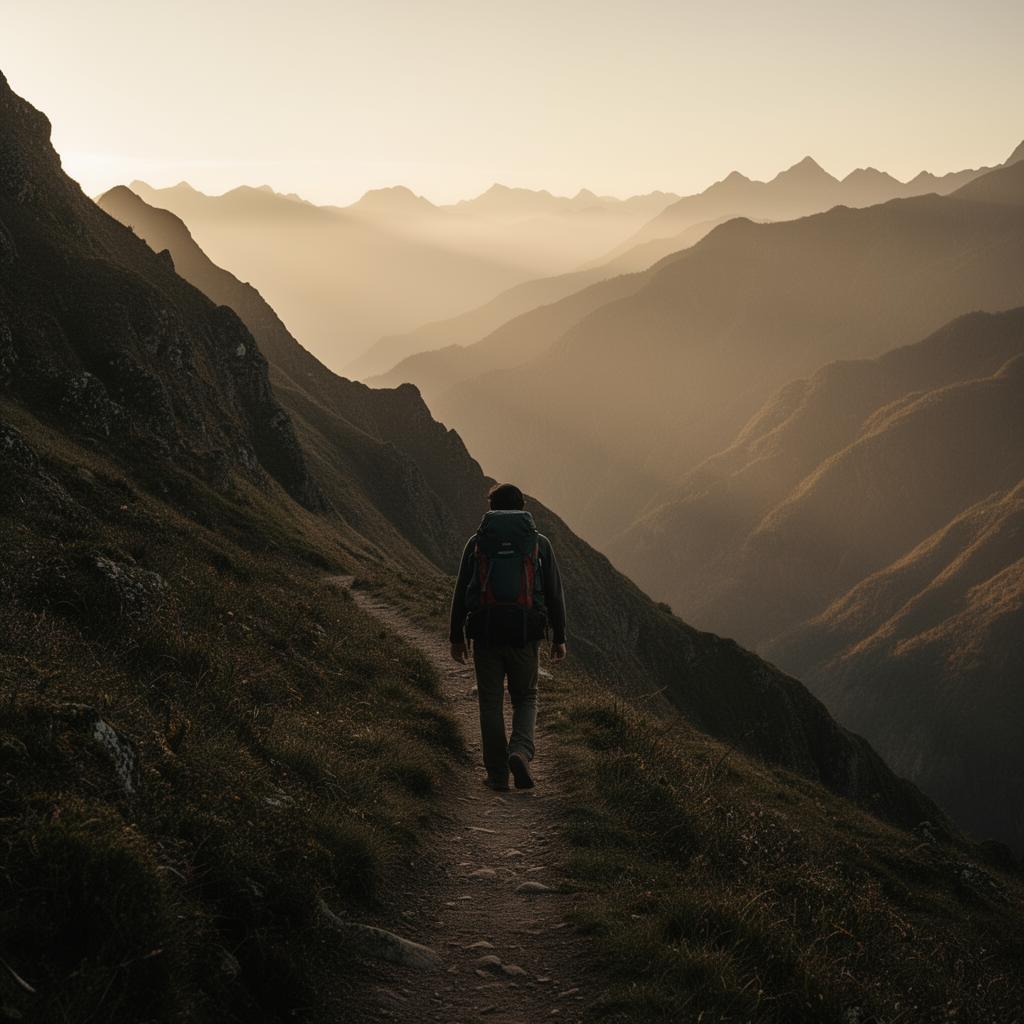
He was not looking for luxury. He was looking for proportion.
What followed was seven years of solitary travel — not the kind that ends in guidebooks, but the kind that unravels a life and knits it back differently. He slept in a cedar forest monastery outside Nara for three weeks, waking at 4 a.m. to sweep the same stone path the monks had swept for four centuries. He spent a month in a fishing village on the Black Sea where the only English speaker was an eighty-year-old woman who made cheese from wild thyme.
In the Okavango Delta he met a tracker who could read the morning wind like sheet music. In the Atlas Mountains a Berber family gave him their only bedroom and slept in the kitchen without a word of explanation, as if generosity were geography.
He began to notice a pattern. The places that changed him were not hotels. They were not even particularly comfortable. They were small, difficult to reach, and run by people who had never heard of TripAdvisor. They had one thing in common: the hosts had simply decided that their guest's silence was more important than their revenue.
He bought the ridge above the Ayung River by accident.
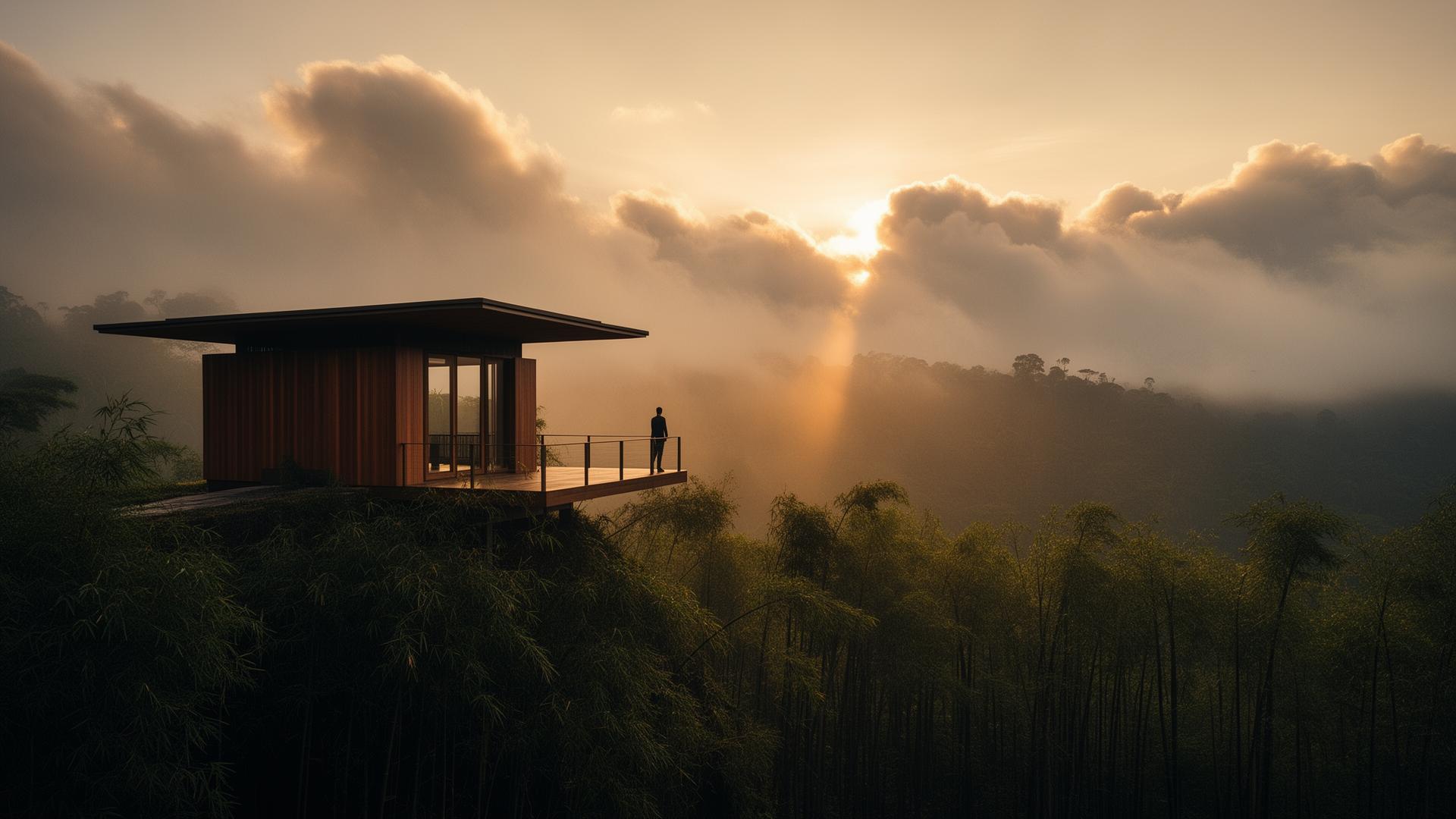
In 2012, walking through a bamboo forest outside Ubud, he took a wrong turn and found a teak longhouse abandoned for twelve years. The farmer who owned the land asked if he wanted to buy it. He said yes before he knew why.
He spent two years restoring it with local carvers, refusing to add air conditioning, refusing to pave the path, refusing — to the horror of every consultant he secretly hired — to market it at all. He opened the doors to twelve guests. Word travelled slowly, then insistently. Within three years there was a three-year waitlist.
That was when he understood: he had not built a hotel. He had built a threshold. And the world was full of ridges, forests, and rivers that deserved the same quiet intention.
Twenty-seven sanctuaries. Still no board of directors.
Today Vaiyora is a collection of twenty-seven properties across five continents. Each one is small — none exceeds thirty suites. Each one is conceived in the language of the land that holds it. Each one is led by a resident master: a tracker, a healer, a chef, a fourth-generation farmer.
The founder still visits every sanctuary once a year, staying not in the owner's cottage but in the smallest room, arriving unannounced, leaving before dawn. He has never given a press interview. He does not have a LinkedIn profile. The only public statement he has ever made is carved into a stone at the entrance of the first ridge, in Balinese script and in English:
“We do not sell nights. We protect the conditions under which a human being can remember who they are.”
Find your ridge.
Our concierge composes each journey by hand. Tell us where, and when, and we will write back.
Compose an Enquiry →