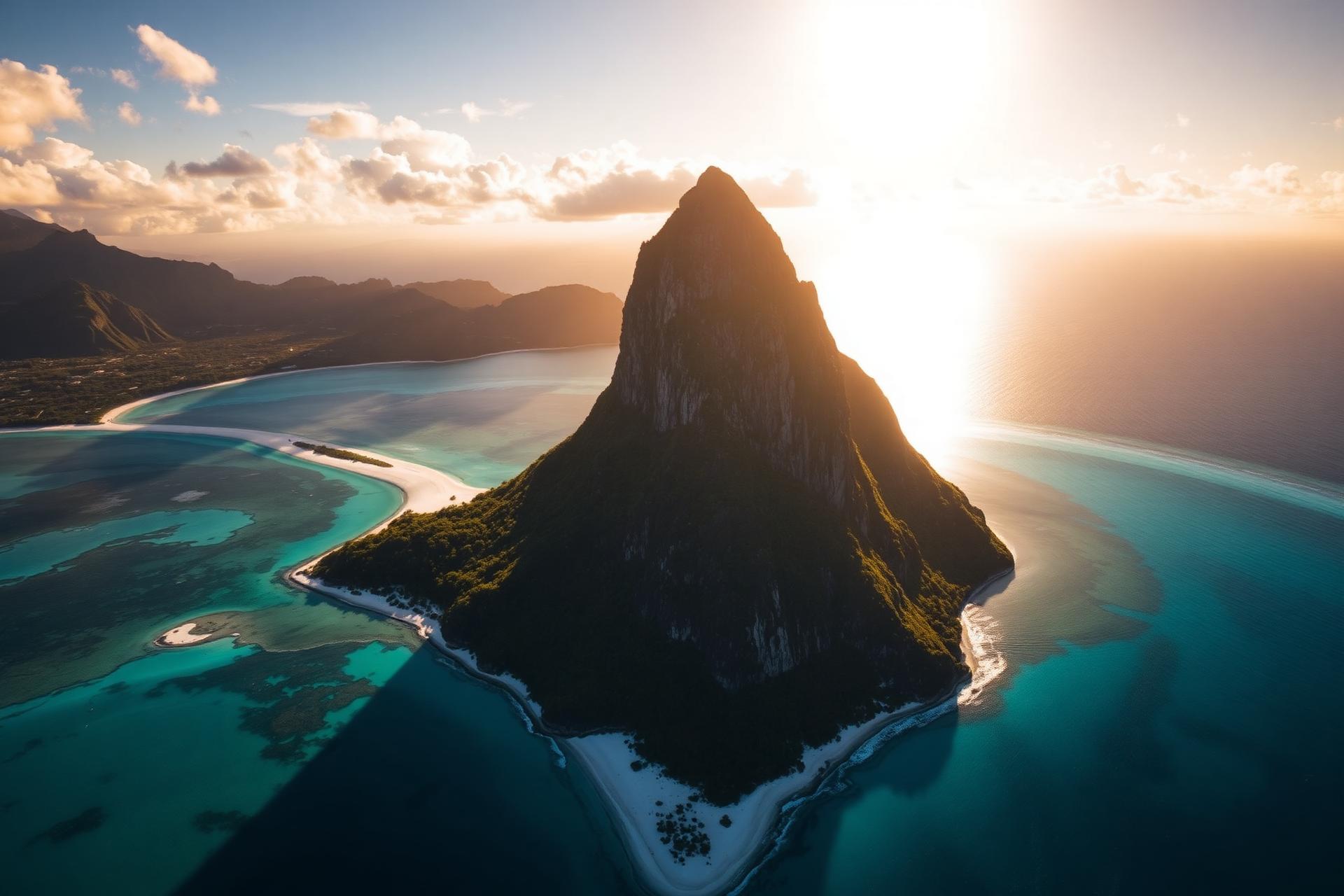
Le Morne
Lagoon.
Sixteen pavilions between a sacred mountain and a living reef. The lagoon is glass; the trade wind never stops; the silence is older than the island.
Coordinates
20.4570° S, 57.3120° E
Setting
Le Morne Peninsula, UNESCO
Keys
16 coral-stone pavilions
Season
Year-round; finest May–November
"The mountain remembers. The reef forgives. We try only to be a quiet guest between them."
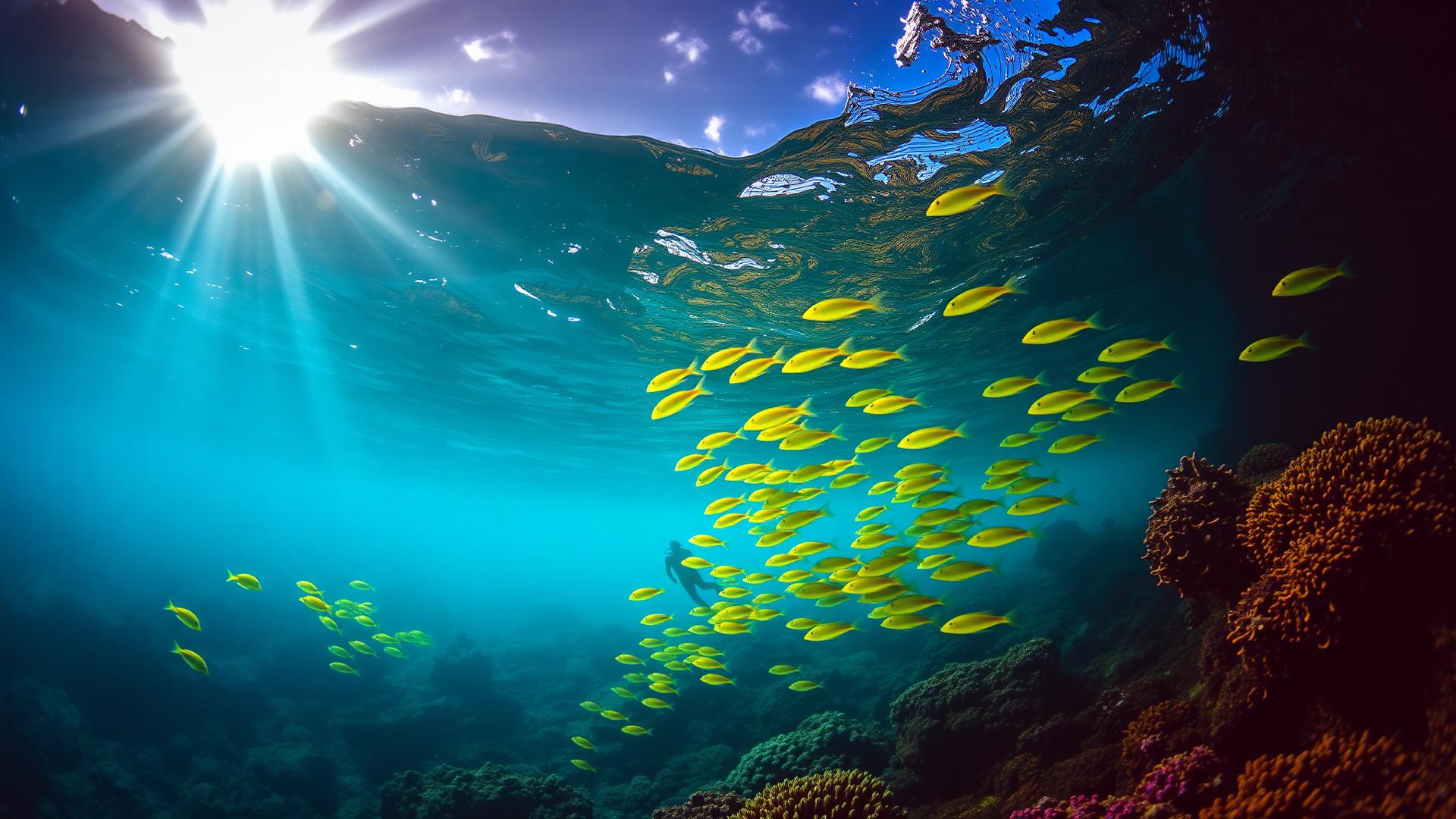
Le Morne Lagoon sits inside the UNESCO-protected cultural landscape of Le Morne Brabant — the basalt monolith where, two centuries ago, escaped slaves built a community of refuge at the summit. We do not occupy that ground. Our pavilions lie on a private crescent of the leeward shore, raised from local coral stone and oiled tamarind, and every one of the sixteen keys faces both the mountain and the reef. A marine-protected zone of twelve square kilometres begins thirty metres from the suite verandahs. Reef restoration is funded directly by the residency.
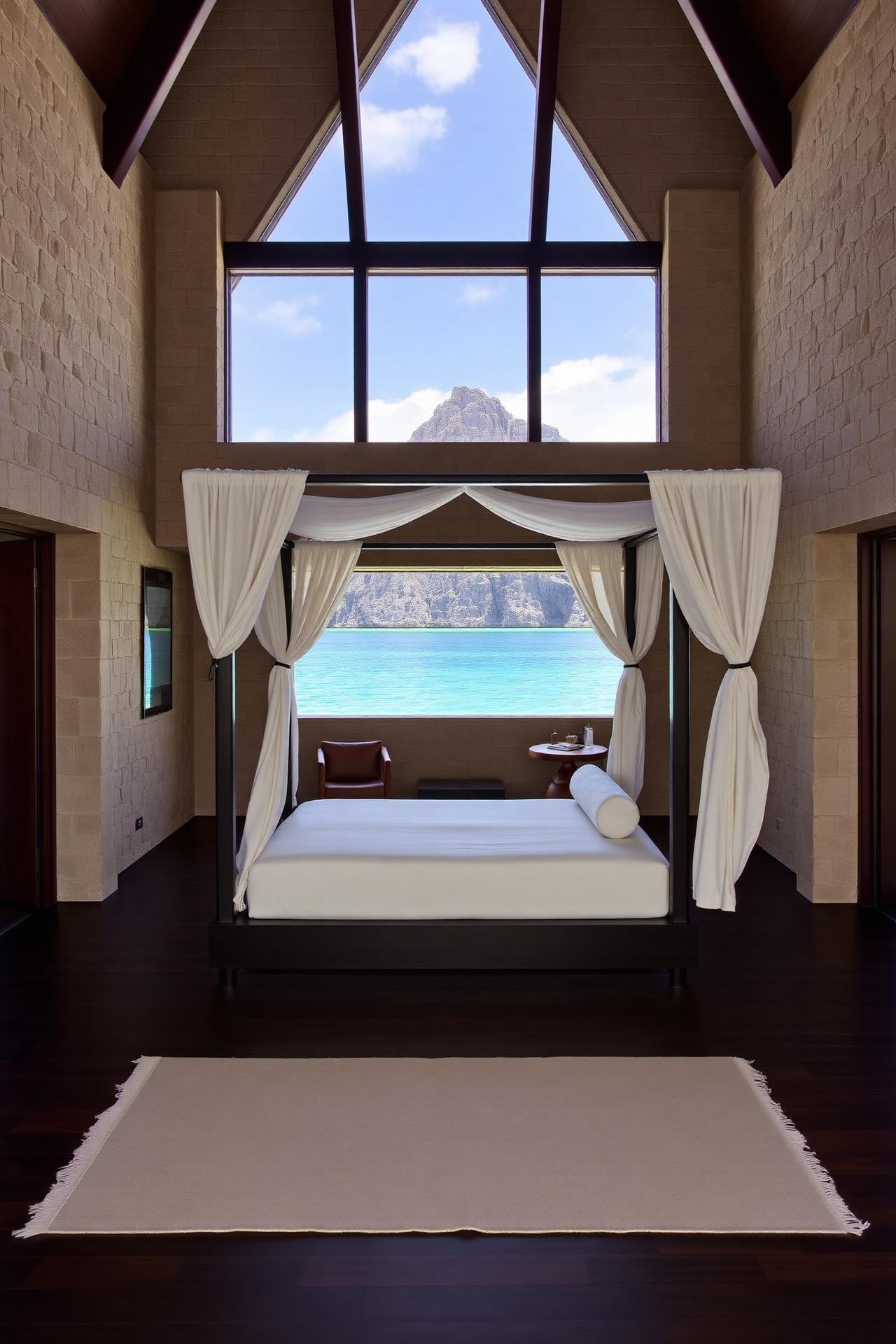
Sixteen pavilions, the mountain to one side, the reef to the other.
Each pavilion is a single high-volume room of pale coral stone, with a teak-decked plunge that runs to the lagoon edge, an outdoor copper rain shower beneath a frangipani tree, hand-loomed linen from Mahébourg, and a four-poster of woven rattan. No keys. No televisions. The trade wind does most of the cooling.
- i
Lagoon Pavilion
90 m² · Coral garden, west-facing
from USD 2,200 - ii
Reef Pavilion
120 m² · Direct reef edge, private deck
from USD 2,900 - iii
Mountain Pavilion
140 m² · Le Morne at dawn, plunge
from USD 3,600 - iv
La Maison du Morne
320 m² · Three rooms, library, beach
from USD 7,800
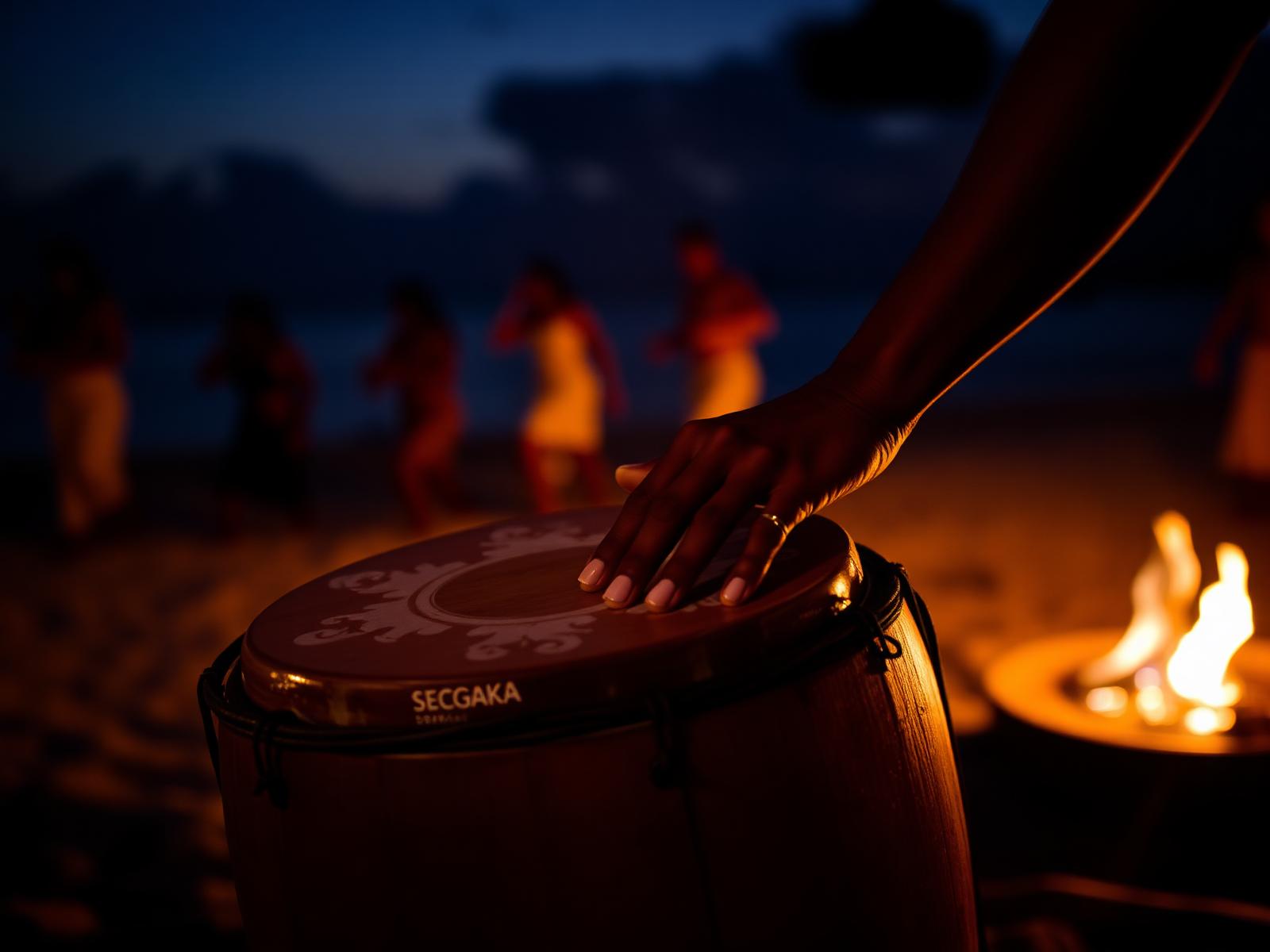
A drum on the sand, the oldest music on the island.
On the first Friday of each month, the master ravanne maker Menwar walks down from Chamarel with three musicians and a drum heated over driftwood embers. Sega is the music the enslaved made on this very shore — once forbidden, now a UNESCO-recognised tradition. Guests are invited to sit, to listen, occasionally to dance. No staged spectacle; only a circle on the beach.
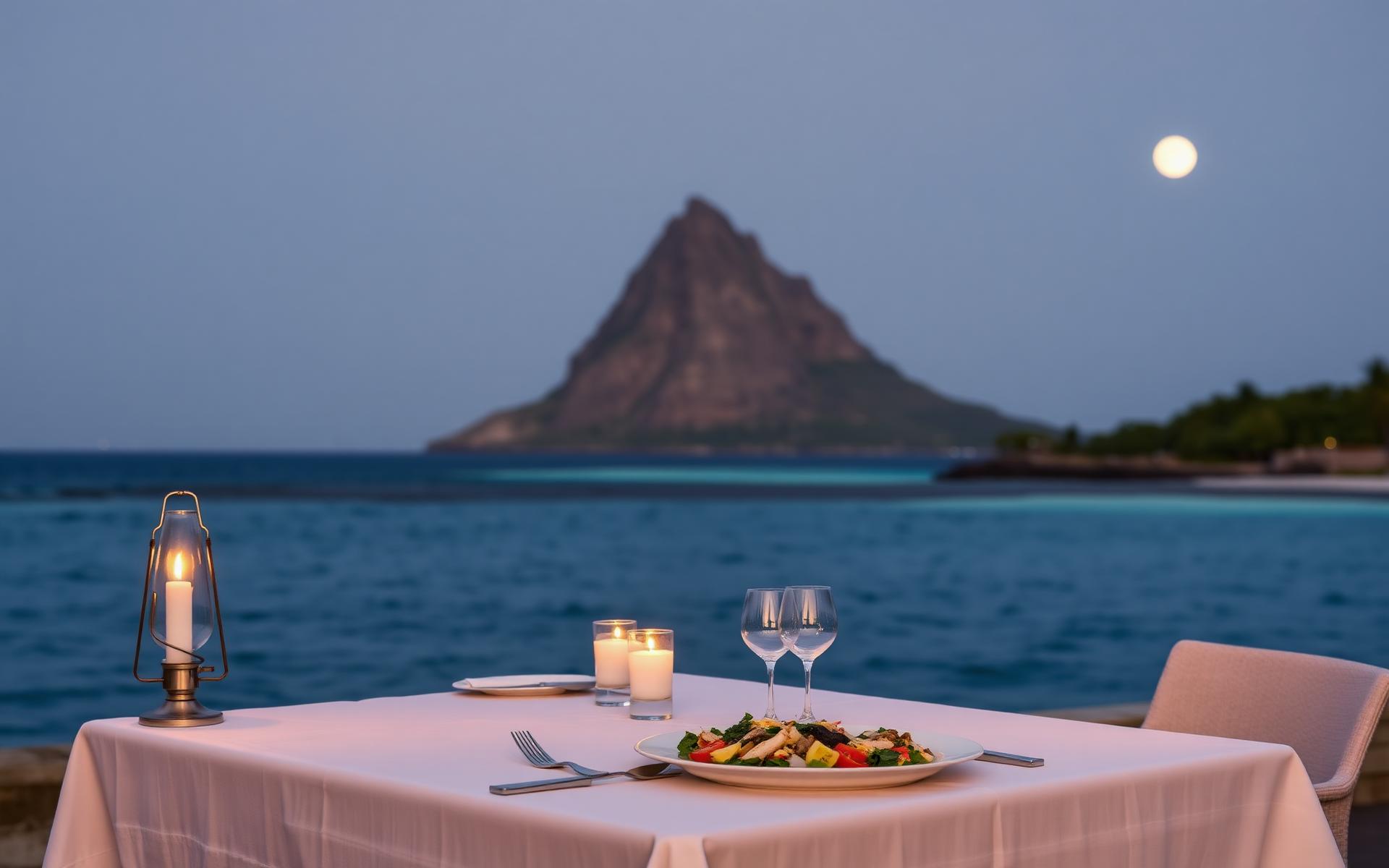
A single table on the reef, set after the sun.
Chef Vikash Goorah cooks one menu nightly drawn from the line-caught fish of the morning, the heart of palm of our own grove, the chilli of Bois Chéri, and the vanilla of the eastern coast. Plates are unglazed Mauritian terracotta. The cellar leans toward Loire whites and old Madeiras — the wines that crossed this ocean before steam.
- 01
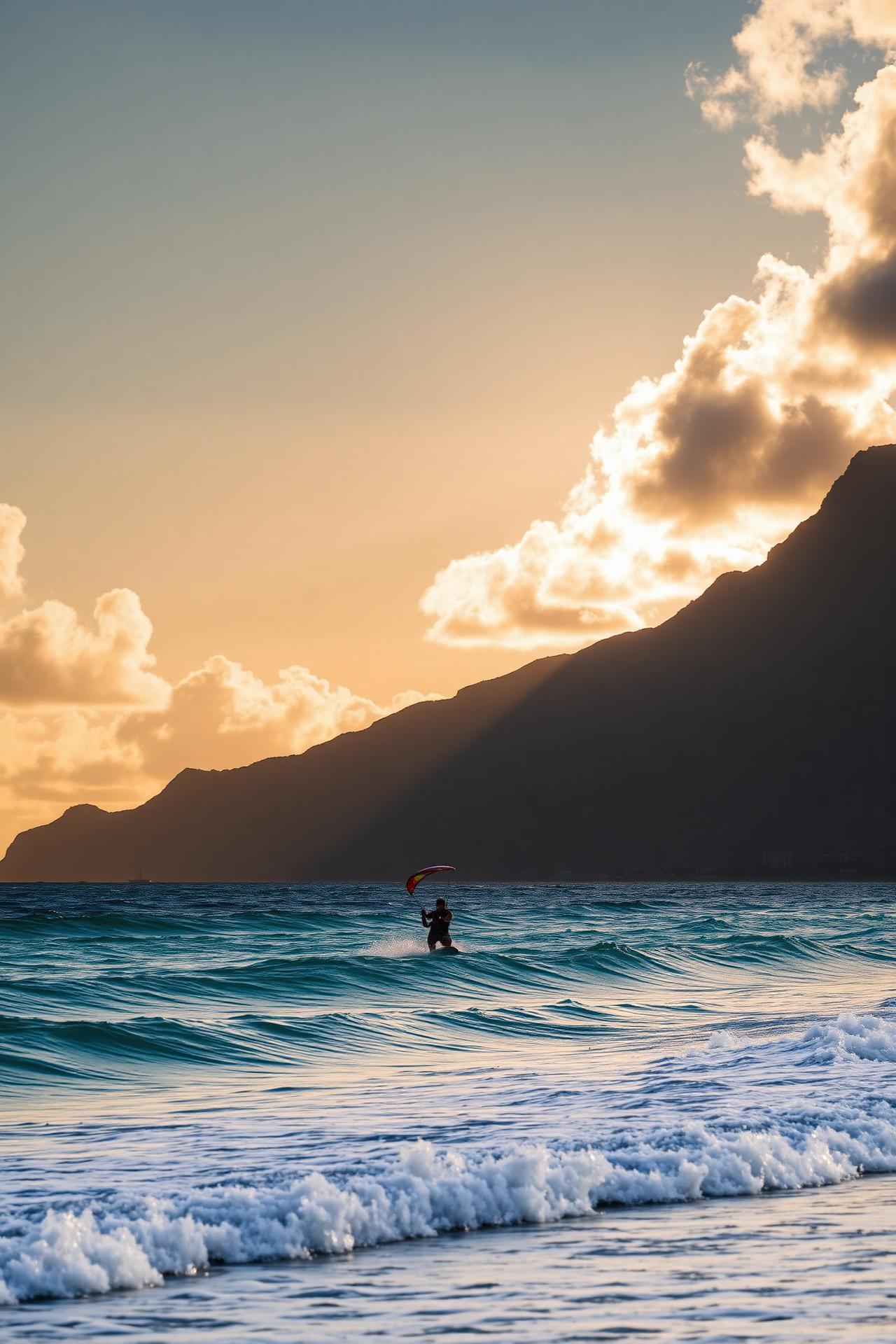
Dawn on the One Eye break
The legendary kite spot at the southern tip of the lagoon, guided one-to-one by a former Mauritian national champion.
- 02
Freedive the outer reef
Two hours with our resident apnoist along a coral wall that drops to four hundred metres. Encounters with green turtles are routine; dolphins are common.
- 03
The ascent of Le Morne
A guided, pre-dawn climb with a Creole historian — the mountain as cultural site, not photograph. Closes by mid-morning out of respect.
- 04
Île aux Bénitiers by sailing pirogue
A traditional wooden pirogue, no engine, to a private sandbar for a barbecue of grilled dorado and palm-heart salad.
- 05
Chamarel, by long way round
A 1974 Series III Land Rover, a picnic from the kitchen, the seven-coloured earths, and a tasting at the island's oldest rhum agricole distillery.
- 06
Stargazing at the mountain's foot
An astronomer and a 250mm Dobsonian under one of the darkest skies in the Indian Ocean. The Magellanic Clouds are overhead.
How one arrives.
i. Fly to Sir Seewoosagur Ramgoolam International.
Direct from Paris, London, Dubai, Hong Kong, Johannesburg. We meet you airside with iced hibiscus and a change of linen.
ii. By road, ninety minutes.
A Range Rover crosses the central plateau, descends through the sugar fields of Bel Ombre, and turns onto the Le Morne road as the mountain comes into view.
iii. By pirogue, the last kilometre.
Where the road ends, a teak pirogue waits. The crossing of the inner lagoon is six minutes and entirely silent. Luggage follows by a second hull.
A residency begins at four nights.
Our keepers compose each stay by correspondence — a single conversation, often by letter, never by form.