Lanna
Highlands.
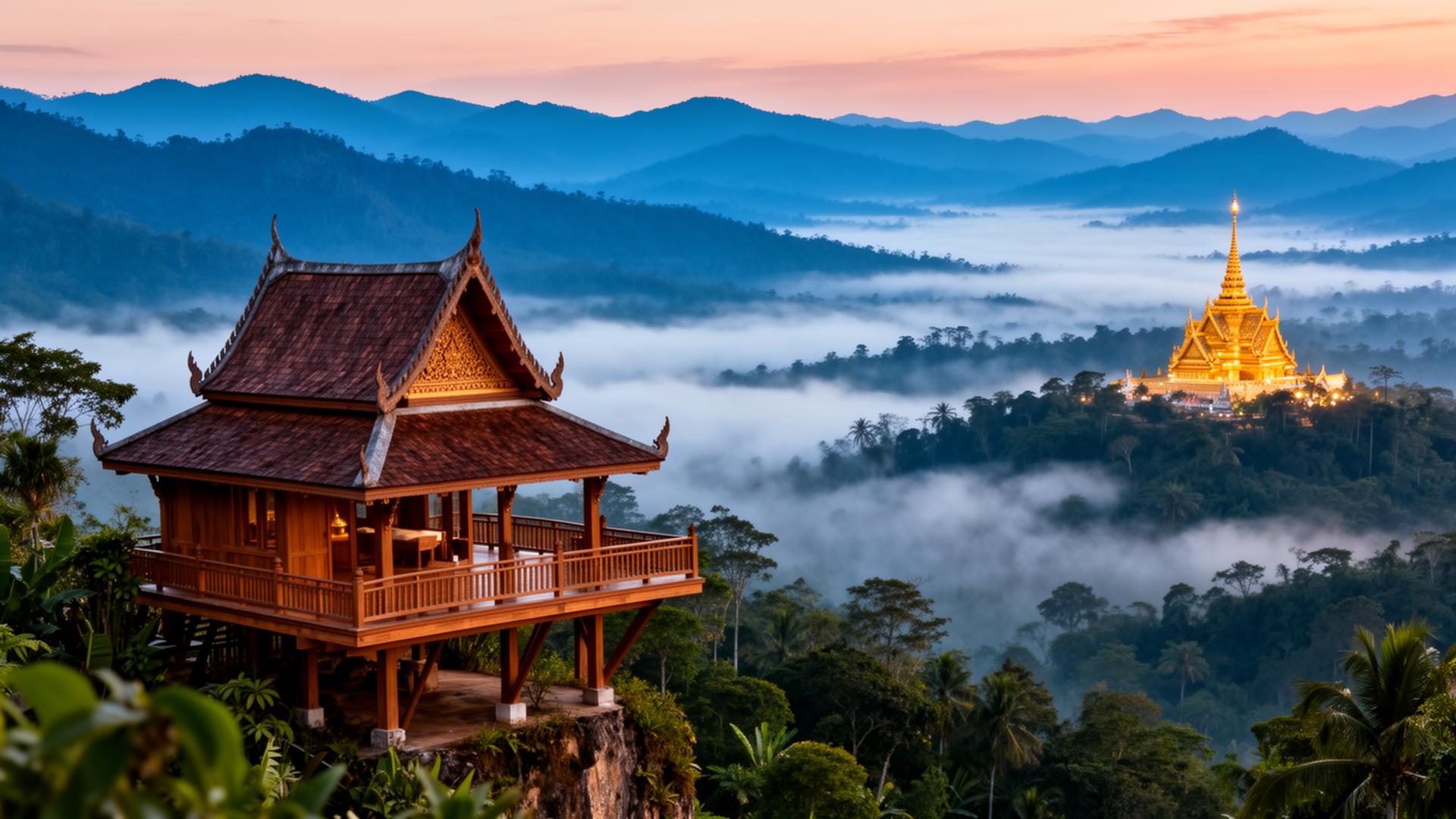
Sixteen carved-teak pavilions on a private ridge above the Pai River, where the old Kingdom of Lanna still keeps its hours by the temple bell and the elephants walk free.
Coordinates
19.3589° N, 98.4378° E
Setting
Private 400-hectare jungle concession
Keys
16 teak pavilions
Season
November–February (cool) · March–May (mango)
"We did not clear a hilltop. We listened to one, and built where the spirits had already left a clearing."
Lanna Highlands sits inside a private four-hundred-hectare jungle concession three hours north-west of Chiang Mai, on the old salt-and-silver road to Mae Hong Son. Every pavilion is built from reclaimed teak — the carved gables salvaged from village houses lost to the 1990s logging boom and rebuilt by the same Karen and Shan carpenters whose grandfathers first cut them. The kitchen draws from a twelve-acre permaculture garden; the elephants in our care were retired from logging and trekking camps and live across the river in a four-square-kilometre forested home-range with no chains, no riding, and no performance. Twenty-six per cent of every residency funds the Karen Hill Tribe Trust — village clinics, the bilingual school at Sop Pong, and the slow reforestation of the watershed.
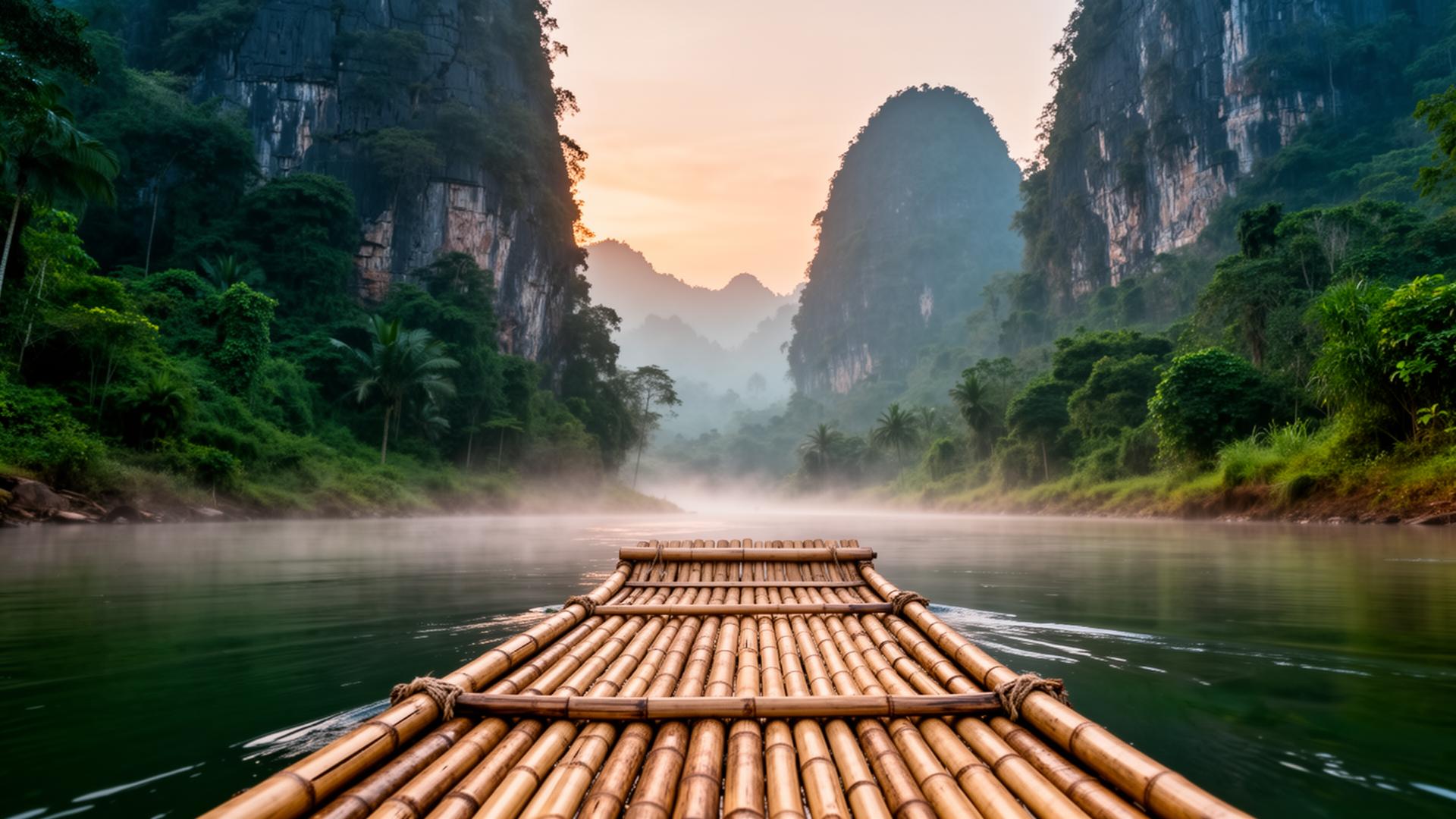
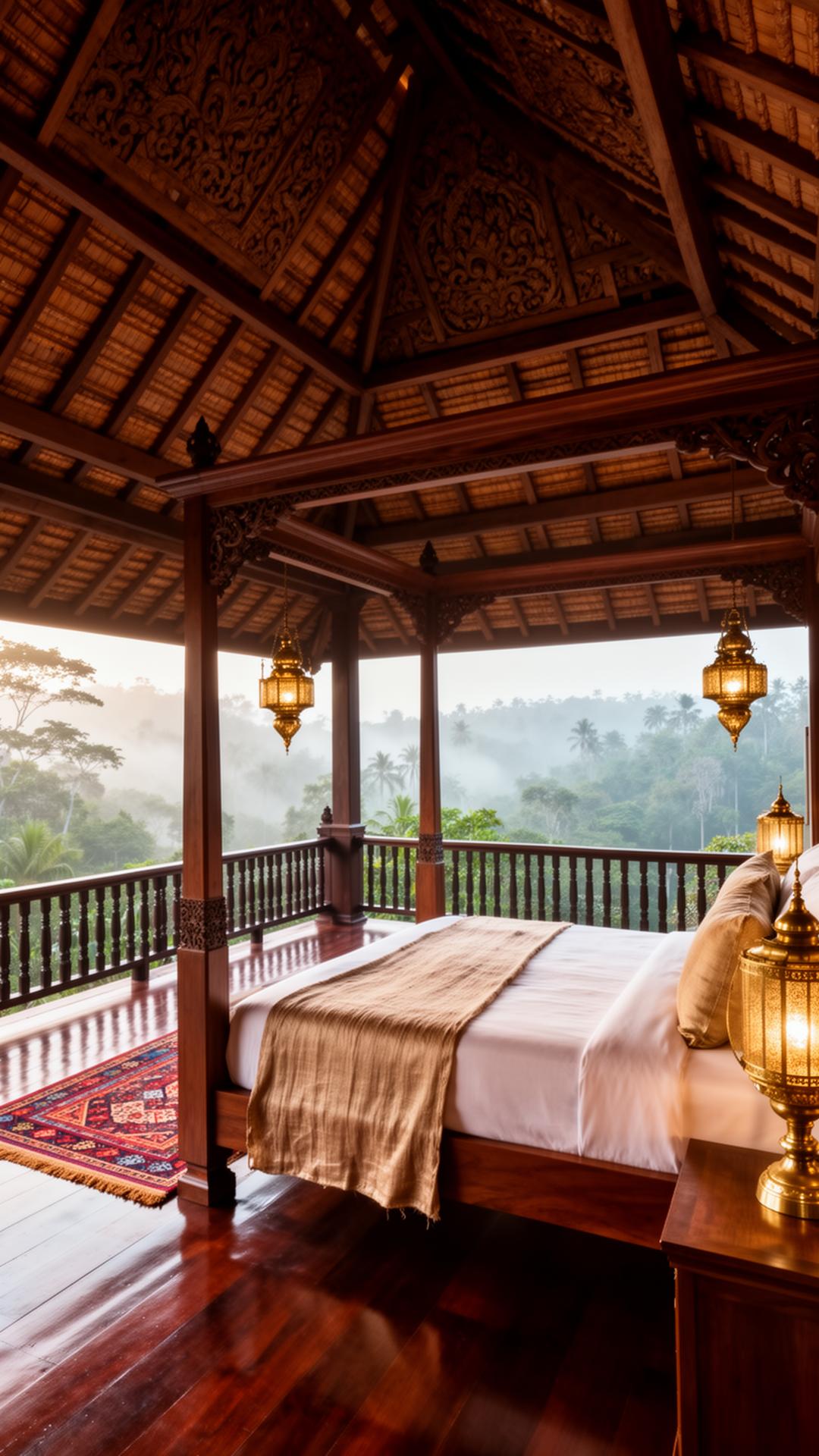
Sixteen pavilions, each one a piece of Lanna salvaged and brought home.
Each pavilion is a single carved-teak structure raised on hardwood stilts above the jungle floor, with deep eaves, a vasti — the open inner verandah — and a private salt-water plunge cut into the deck. Hand-loomed Chiang Mai silk on the four-poster, brass Shan lanterns lit at dusk, a copper rain-shower set into a private garden of frangipani and kaffir lime. No televisions. The walls are panels of carved teak that slide entirely open. The only screen is the valley below.
- i
Jungle Pavilion
90 m² · Teak forest, eastern light
from USD 1,300 - ii
Ridge Pavilion
125 m² · Open valley to the Ghats, private plunge
from USD 1,850 - iii
River Pavilion
175 m² · Pai River, the elephants' crossing, plunge
from USD 2,700 - iv
The Lanna Residence
340 m² · Two pavilions, study, private chef, butler
from USD 6,800
Across the river, on their own time, in a forest of their own.
Twelve Asian elephants — every one of them retired from a logging or trekking camp — live in a four-square-kilometre forested range across the Pai River. There is no riding, no bathing-as-spectacle, no chains. Guests are welcomed to walk a respectful distance behind the herd at first light with the mahouts who have cared for them for thirty years, and to share, from across the water, the long quiet morning of their feeding.
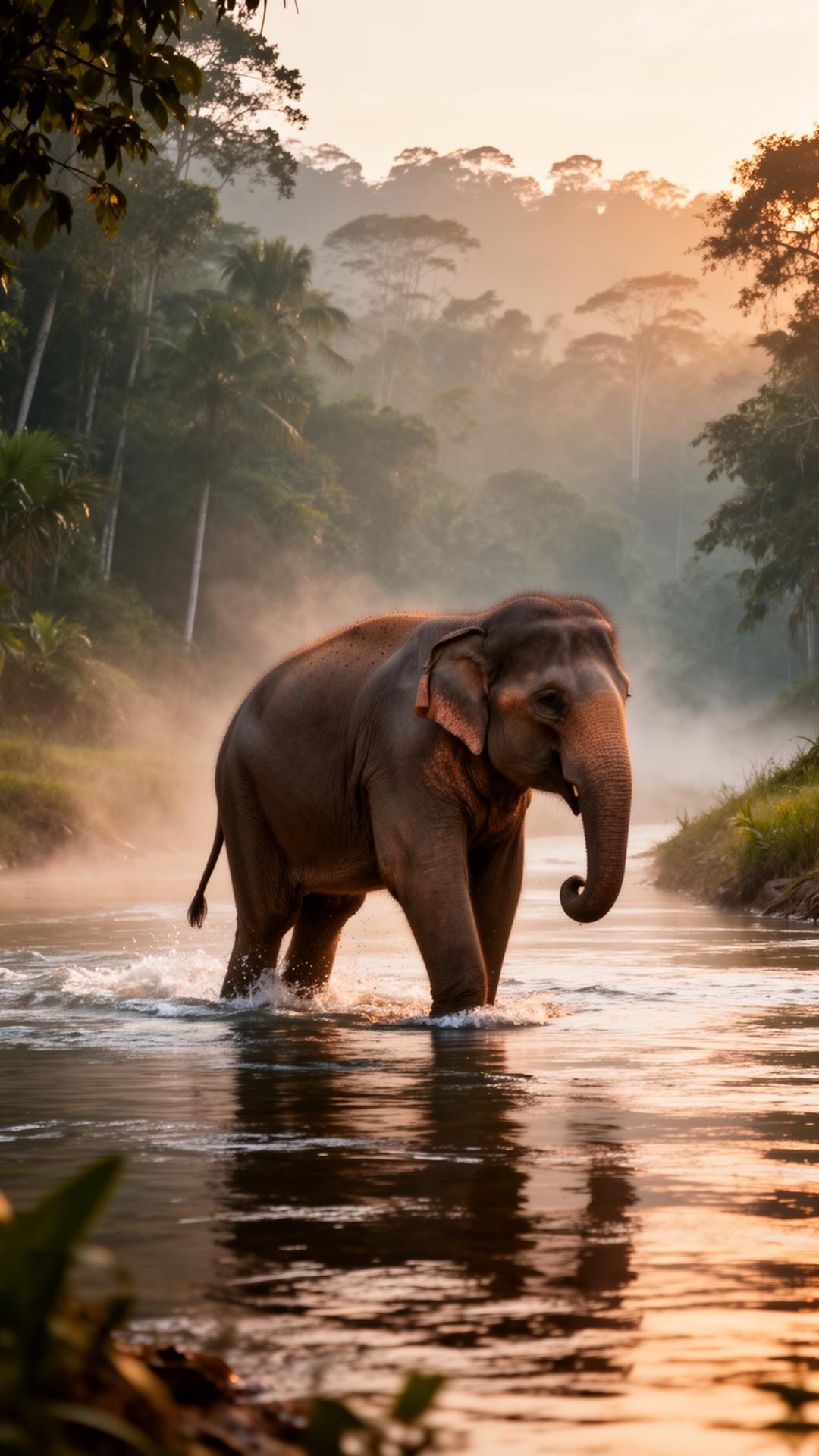
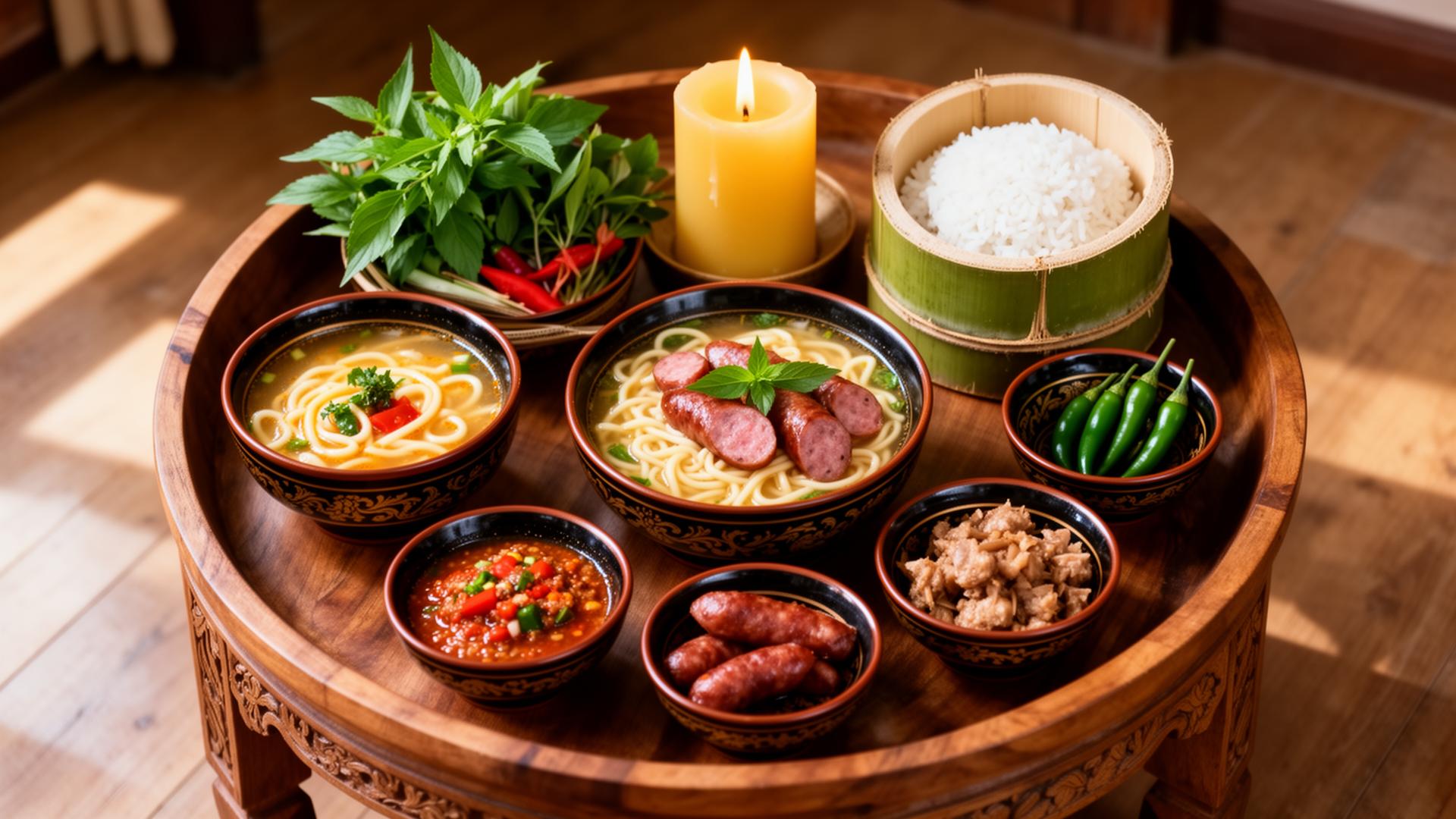
Khantoke at dusk, eight courses on a low teak tray.
Chef Achara Saetang — born to a Shan mother and a Lanna father in a village above Mae Sariang — sets a nightly khantoke: khao soi gai with crisped noodles and a thirty-year soy, sai ua sausage smoked over young coconut, nam prik ong with raw garden vegetables, gaeng hung lay slow-cooked in tamarind and ginger, sticky rice steamed in bamboo, and a turmeric-and-coconut sorbet to finish. The cellar leans to old-vine Riesling, Grüner Veltliner, and a small library of single-origin Thai rice whiskies. The table is laid wherever the mist allows — the orchard, the ridge, or the open sala above the river.
- 01
Walking with the elephants
A two-hour shadow of the herd at first light with a mahout — never on, always beside. The closest thing on earth to walking with a memory.
- 02
Alms at the forest wat
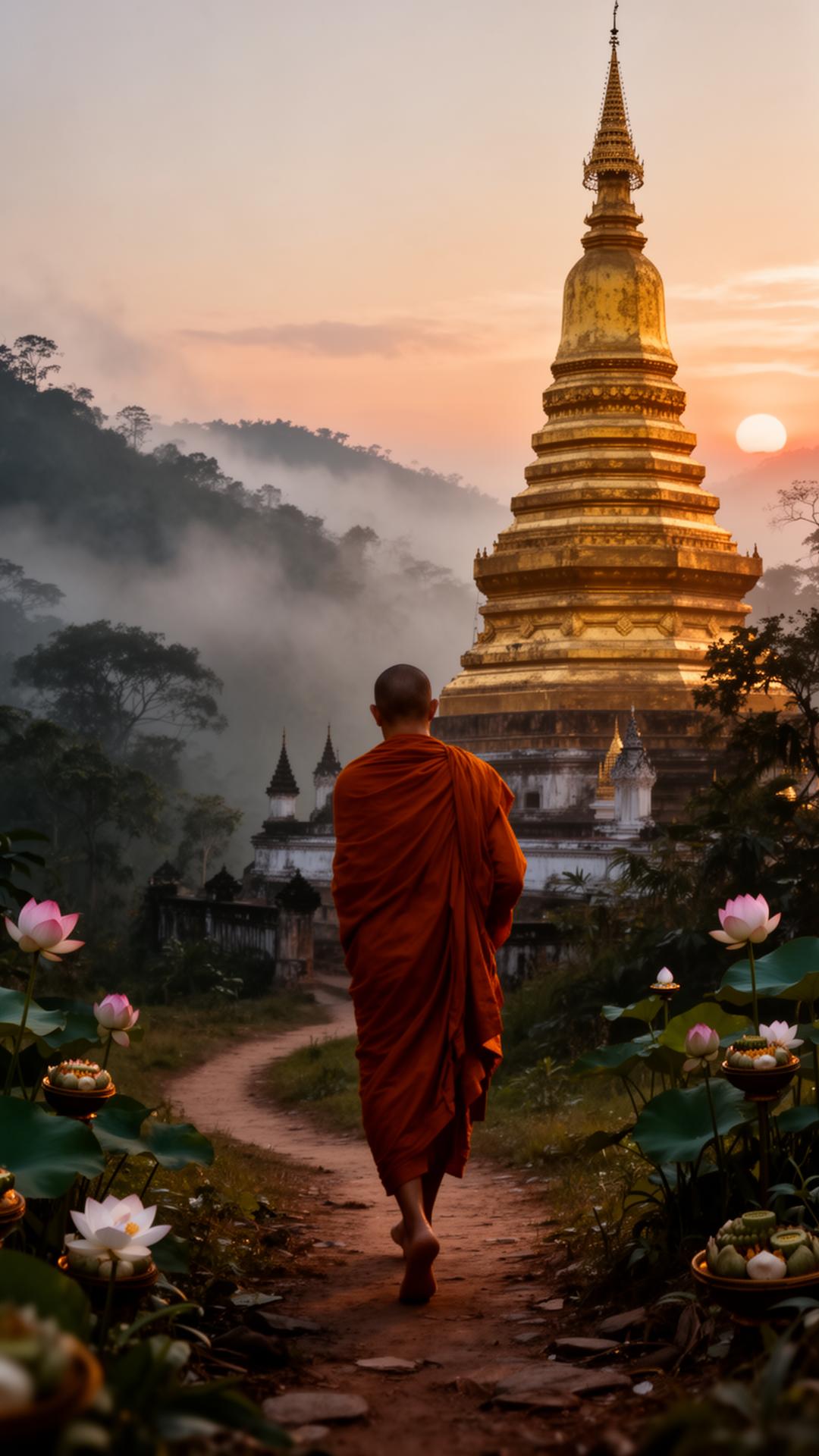
A pre-dawn ride to a thousand-year-old hilltop chedi for the daily alms round — sticky rice offered to the monks in the half-light, then sunrise over the valleys with a glass of butterfly-pea tea.
- 03
Two days on the Mae Hong Son loop
A private Land Cruiser convoy through the six-hundred-bend mountain road — limestone caves at Tham Lod, the long-neck Kayan villages at Huai Pu Keng, an overnight at the tented camp on the Salween at the Myanmar border.
- 04
Hill-tribe trek and home-stay
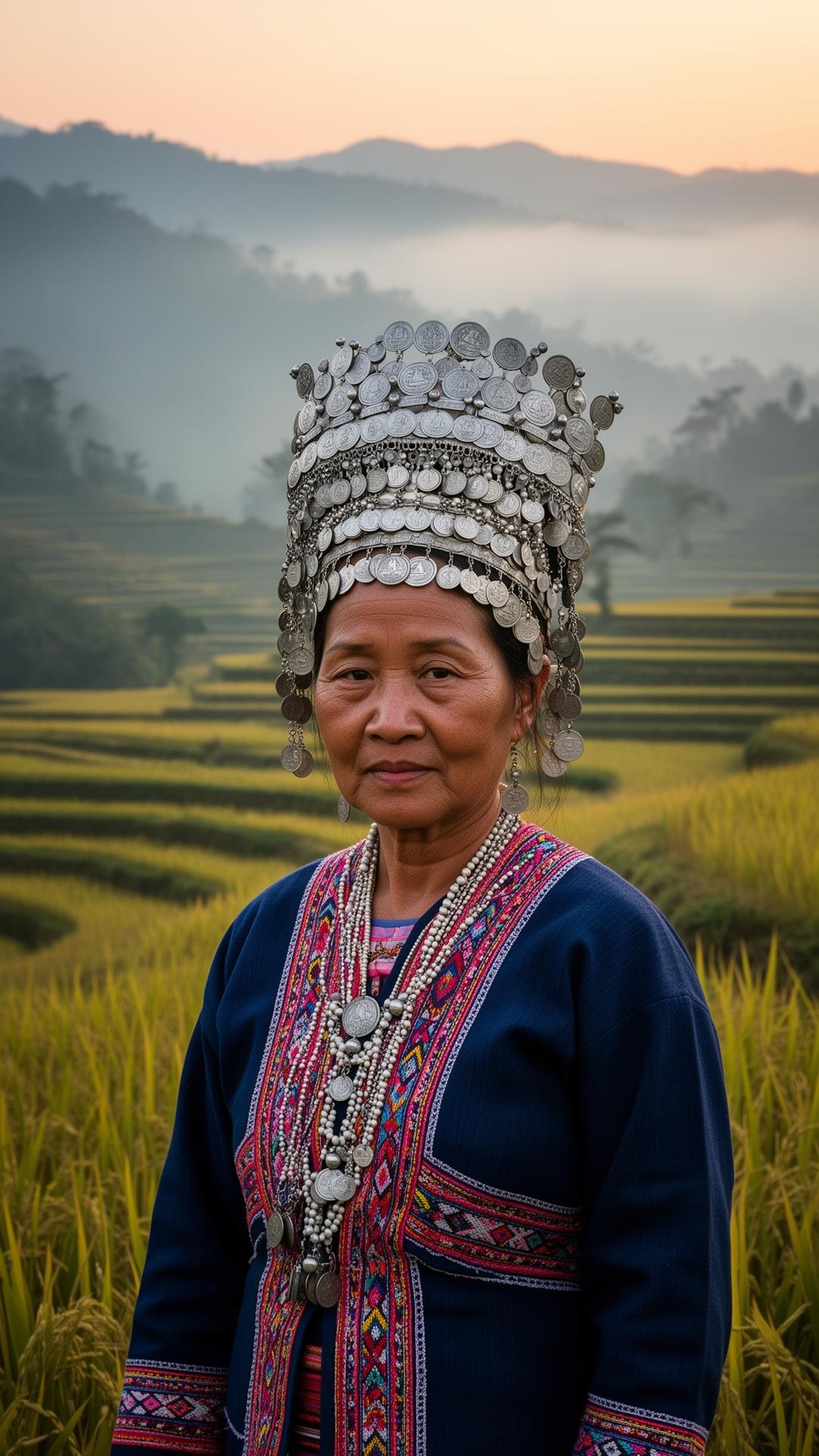
A two-day walk through Karen, Lahu and Akha villages with a tribal guide — sleep on a teak floor under hand-loomed indigo, share rice wine around the hearth, leave with a story rather than a souvenir.
- 05
Whitewater on the Pai
Class III–IV on the upper Pai in the rainy season — a half-day descent through limestone gorges with our river guides, hot-spring soak at the take-out, lunch of grilled river prawn on a banana leaf.
- 06
Muay Thai at dawn
A private hour with Kru Nattawut, former Lumpinee champion — knees, elbows, and the slow Wai Khru dance of respect, in our open-air sala above the mist.
- 07
Cooking class with Chef Achara
A morning in the garden choosing herbs, an hour at the mortar grinding curry paste from scratch, an afternoon at the wok over a charcoal fire — the four pillars of Lanna cooking, learned by hand.
How one arrives.
i. Fly to Chiang Mai.
Direct from Bangkok, Singapore, Hong Kong, Dubai and Doha. We meet you airside with cold lemongrass tea, a damp cotton towel, and a chauffeur in a charcoal-grey Land Cruiser.
ii. Three hours through the mountains.
North-west on Route 1095 — the legendary Mae Hong Son loop, six hundred and seventy-two bends through old-growth teak. We stop at the Sunday market in Pai for tea, a steamed mango sticky-rice parcel, and the photograph at Pha Bong gorge.
iii. The final crossing by longtail.
The last twenty minutes by longtail boat up the Pai River to the camp's private landing — gin and tonic served on the bow, the temple bell carrying down the valley to meet you.
A residency begins at four nights, ideally seven.
Our keepers compose each stay by correspondence — a single conversation, often by letter, never by form.