Atlas
Altar.
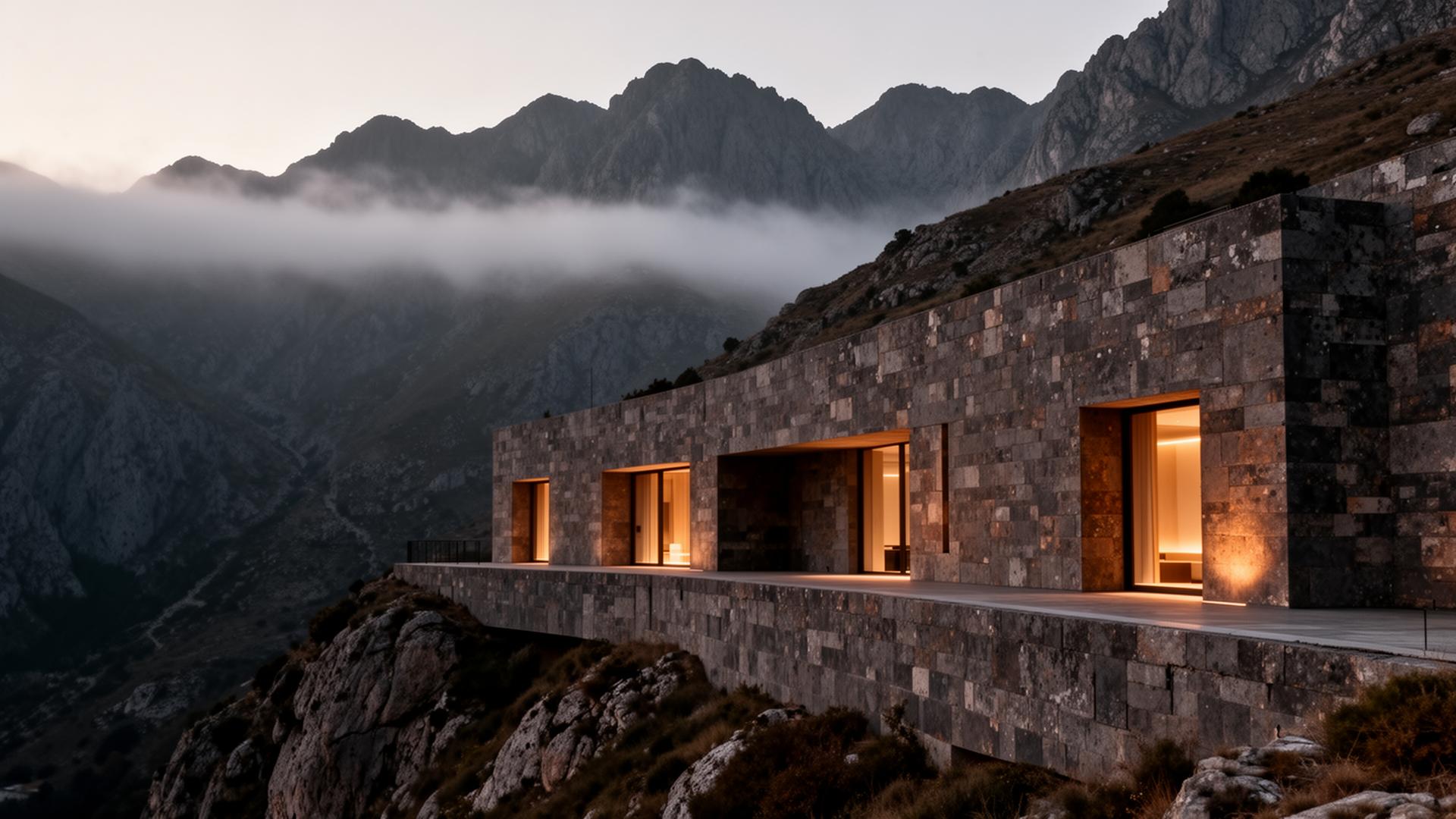
Twenty-two suites carved into a ridge at 2,400 metres. The only sound is wind, and occasionally a bell.
Coordinates
31.0594° N, 7.9134° W
Altitude
2,412 m
Keys
22 suites
Season
Open year-round
"Built from the mountain it sits on. Nothing imported, nothing decorative — only what altitude requires."
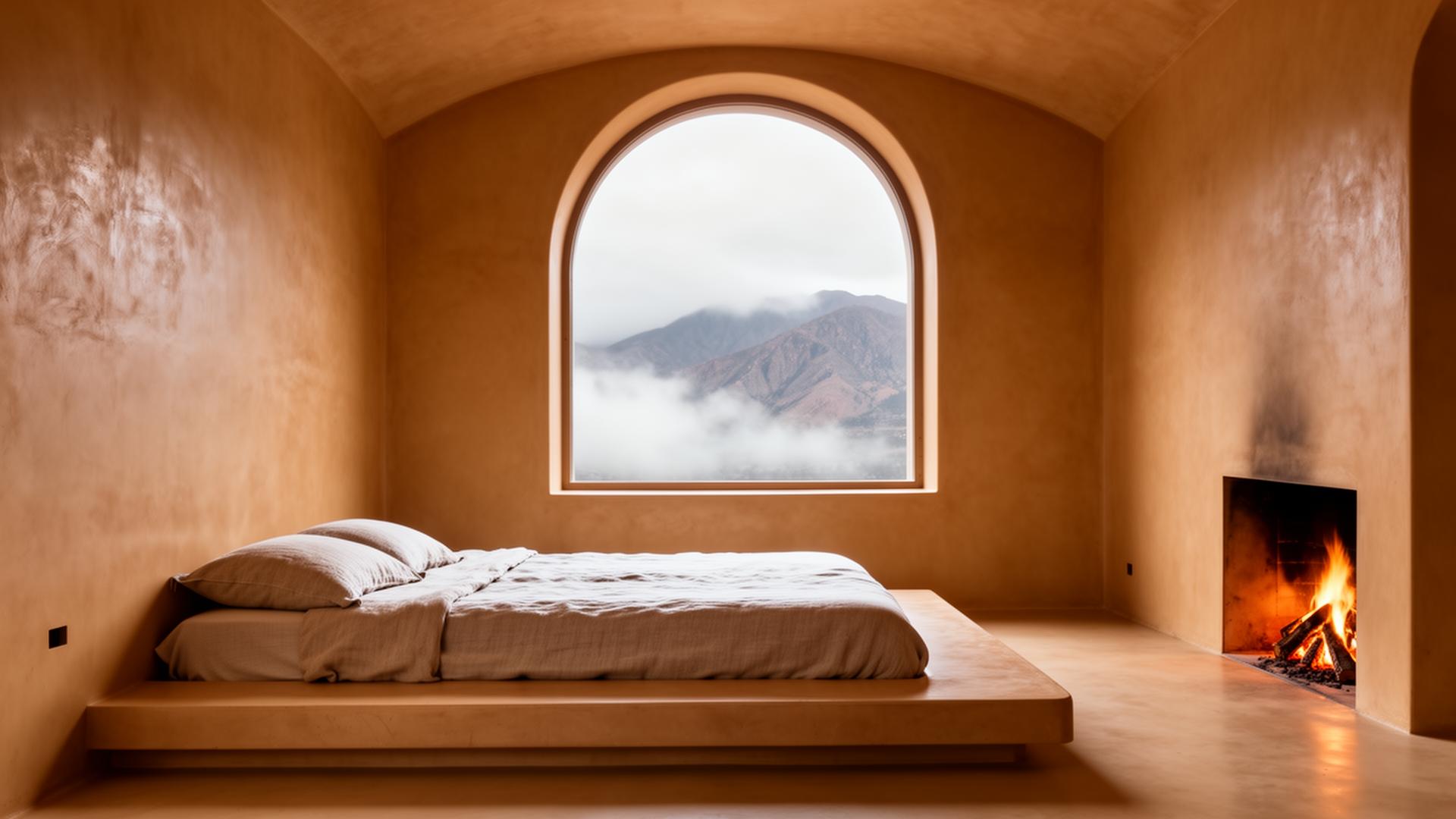
Atlas Altar was conceived by Berber stonemasons over seven winters. Walls of locally quarried basalt are laid without mortar in the traditional dry style; floors are pressed earth; rooms are warmed by the same wood-fired hearths that have heated the valley below for a thousand years. There is no television, no telephone, no wireless network in the suites — only a small bell, in case you wish for something.
Four ways to dwell.
Each room is oriented to a different aspect of the range. Linens are flax from the Rif; oils are pressed in the village below. Beds face the window, not the door.
- i
Hearth Suite
62 m² · South ridge
from €1,480 - ii
Altar Suite
84 m² · Twin valleys
from €1,980 - iii
Vault Pavilion
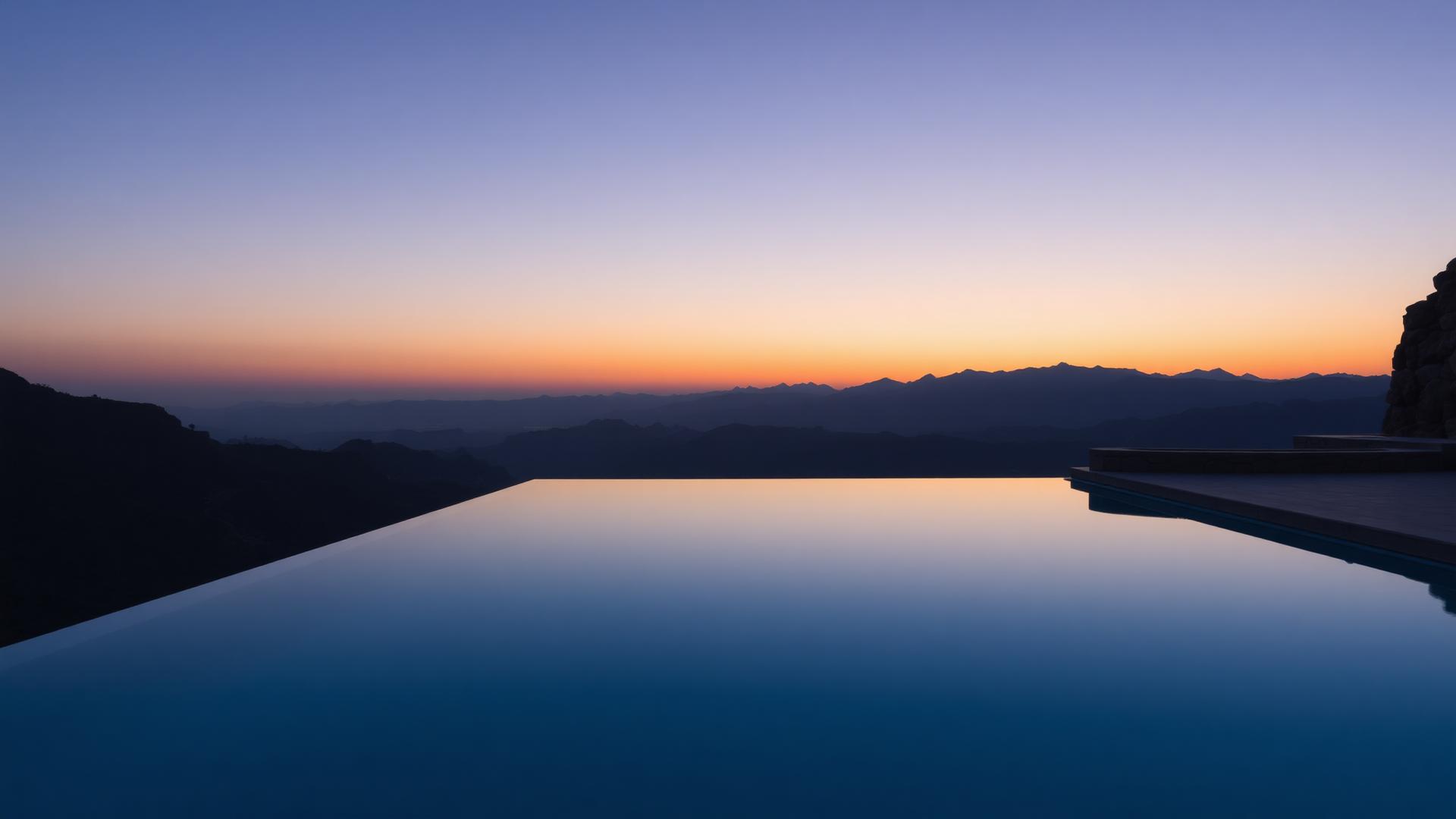
120 m² · Private terrace, plunge
from €2,640 - iv
The Ridge House
240 m² · Two bedrooms, hammam
from €4,200
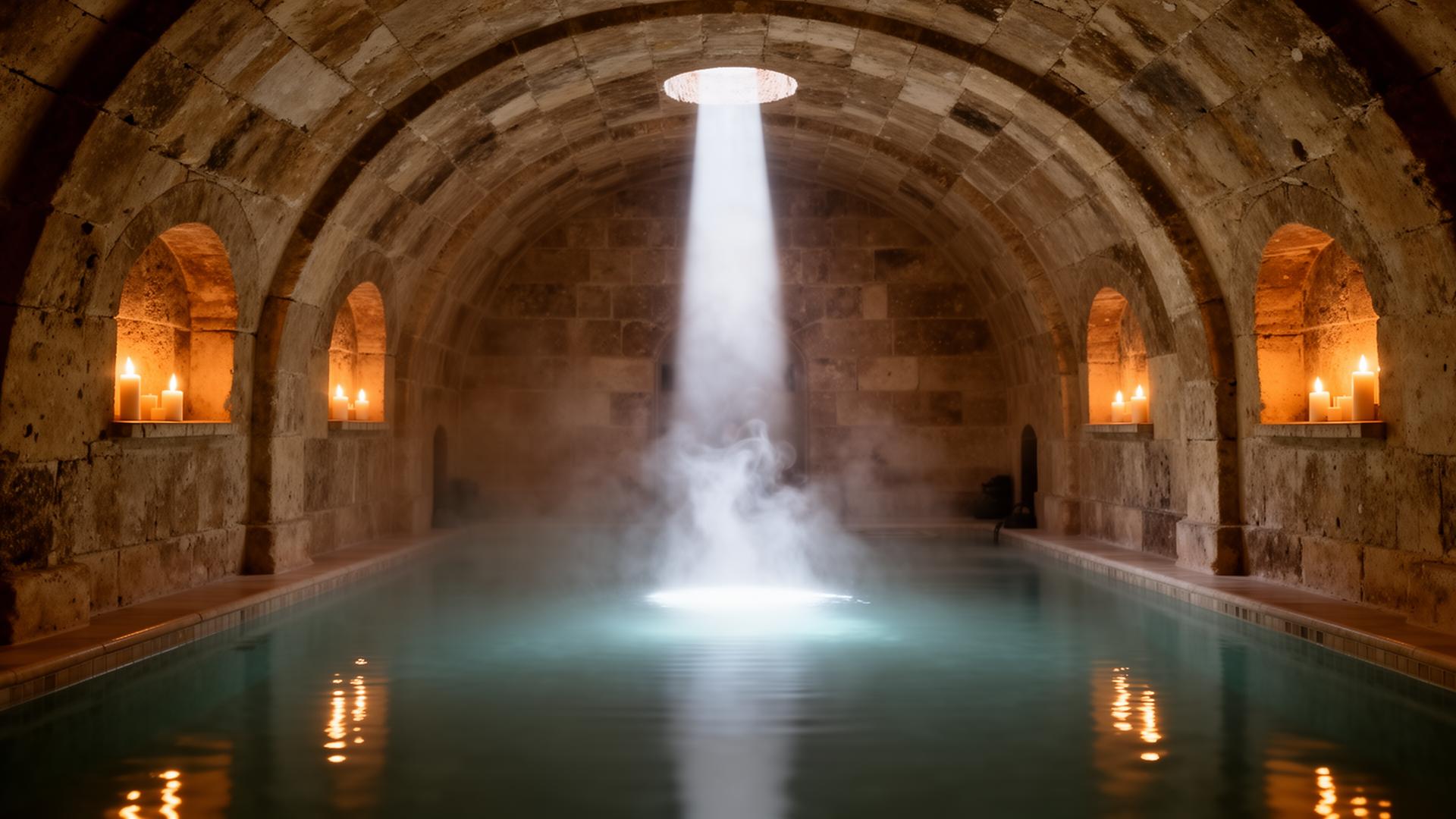
A vault older than the building above it.
The thermal vault predates the sanctuary by three centuries. Spring water rises through the stone at thirty-eight degrees and is held in three pools — warm, hot, cold. Treatments follow the old order: black soap, kessa glove, argan, silence.
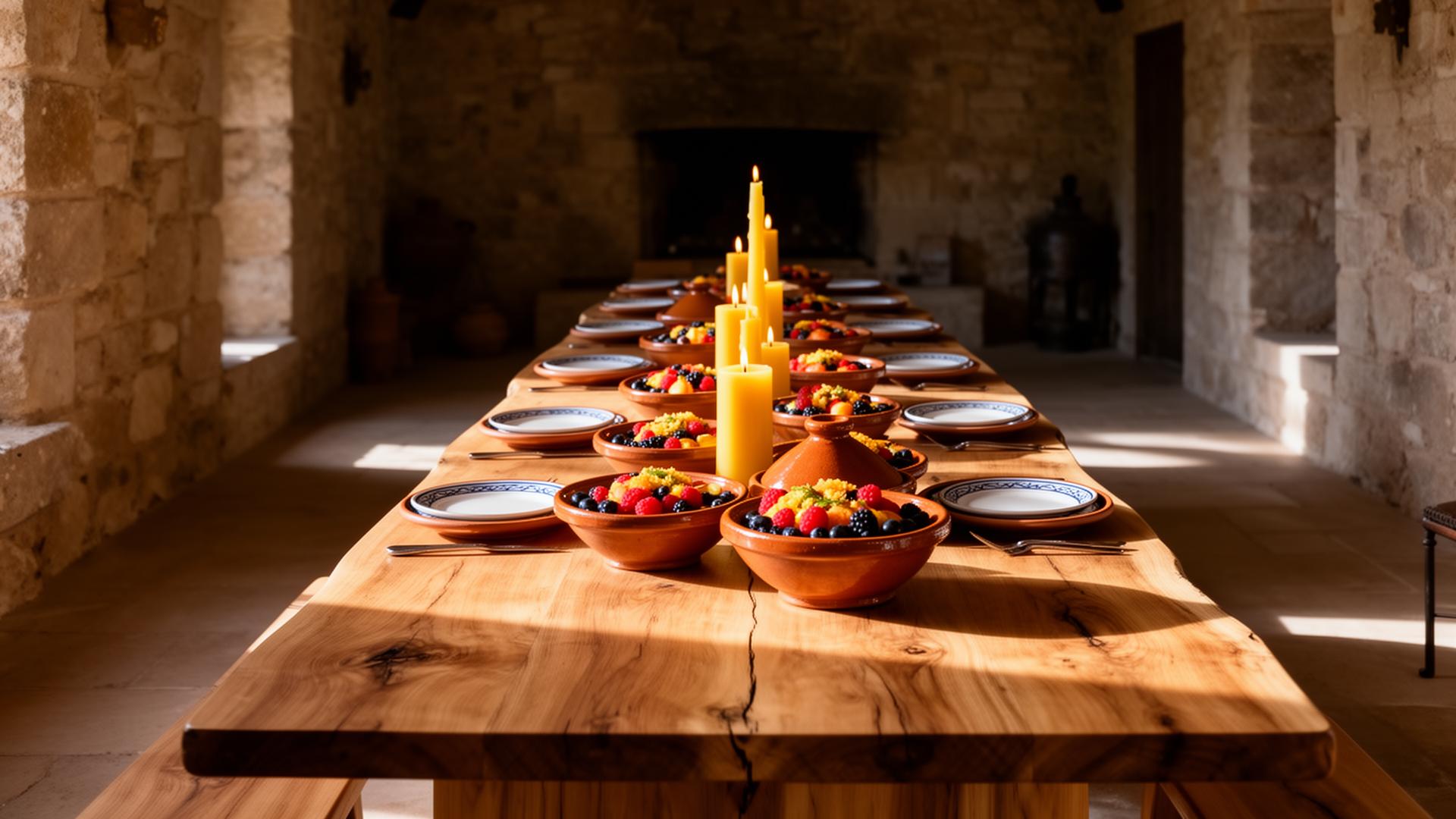
One menu, nightly. Read aloud by the chef.
Twelve seats around a single slab of figured walnut. The kitchen sources from twenty-one growers within a forty-kilometre radius.
- 01
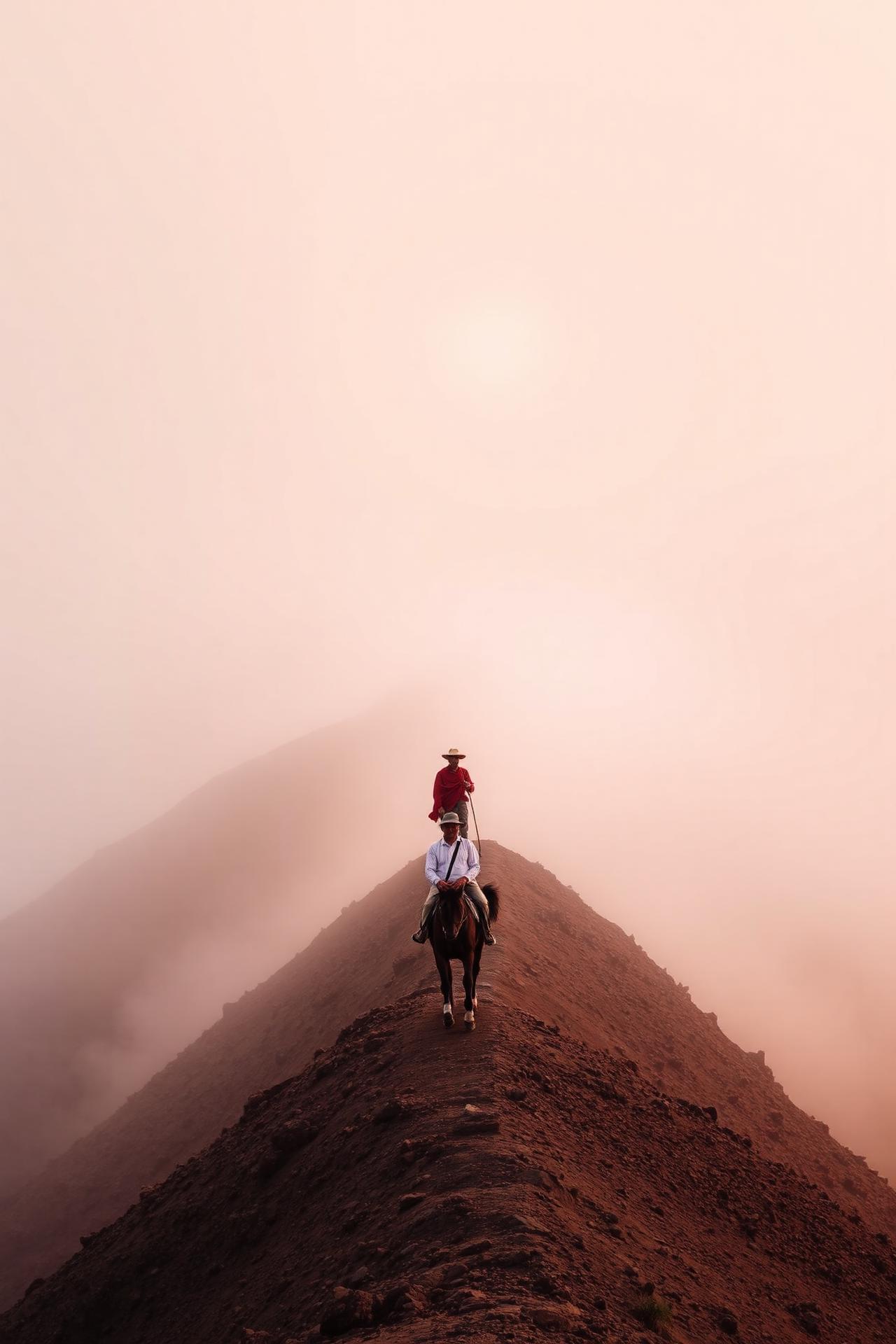
Dawn ride with the muleteer
Three hours along the high pasture trail.
- 02
Hammam ritual
Black soap, eucalyptus steam, ninety unhurried minutes.
- 03
Forage with the chef
Wild thyme, juniper, mountain saffron, before lunch.
- 04
Quiet hours in the library
A reading room held to ten guests; tea at sixteen-hundred.
- 05
Star vigil at the watchtower
After the moon sets; blankets and silence.
How one arrives.
i. Fly to Marrakech.
Direct connections from London, Paris, Madrid, Dubai. RAK is sixty-eight kilometres from the sanctuary as the crow flies.
ii. A car, two hours.
A driver meets you at arrivals and follows the Tizi n'Tichka road into the mountains. Mint tea is served at the halfway pass.
iii. The final ascent.
From the village of Aremd, the last kilometre is by mule or on foot, accompanied. Luggage follows.
A residency begins at three nights.
Our keepers compose each stay by correspondence — a single conversation, often by letter, never by form.